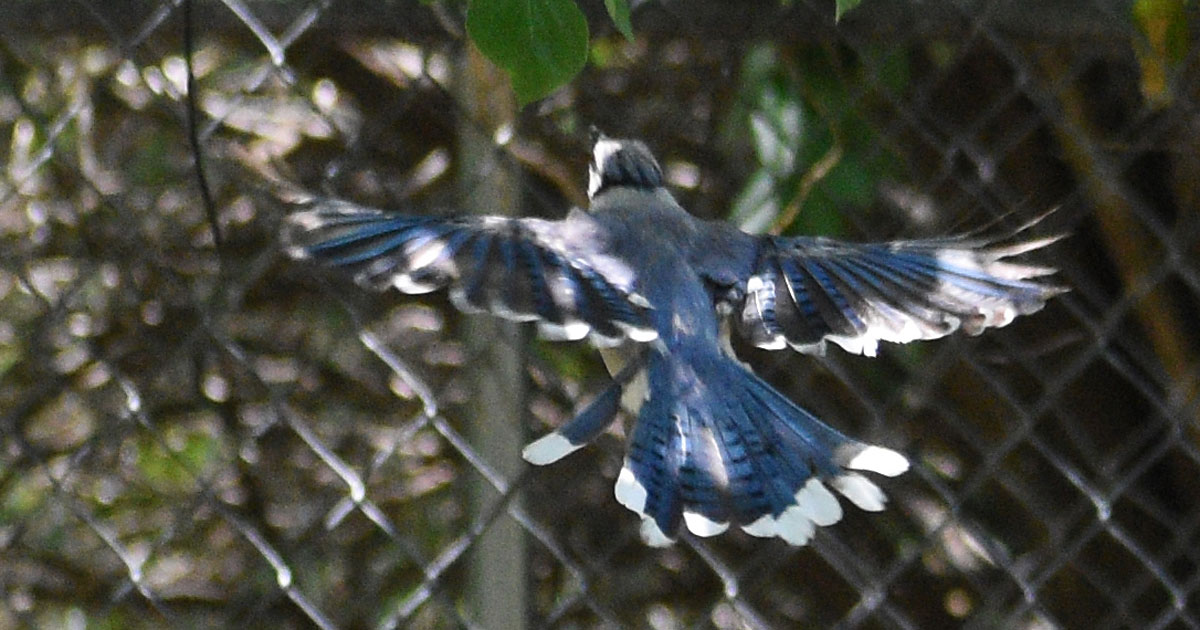
This is a pretty common songbird around all year familiar to many people, with its perky crest; blue, white, and black plumage. The pigment in Blue Jay feathers is melanin, which is brown. The blue color is caused by scattering light through modified cells on the surface of the feather barbs. They have a bold white wingbar. The black bridle across the face, nape, and throat varies extensively and may help Blue Jays recognize one another. These birds are usually detected first by their noisy calls.
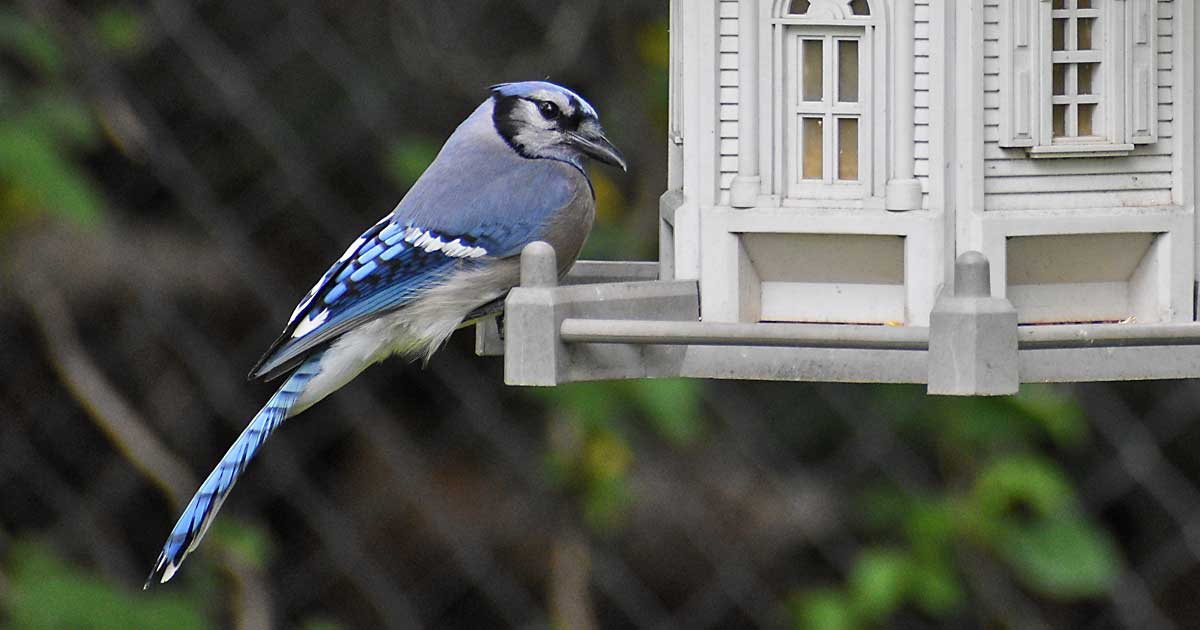

Blue Jays often come to feeders where they eat many types of seeds, especially sunflower. They also seem to like peanuts and suet.
Blue Jays are said to prefer feeders or hopper feeders on a post rather than hanging feeders, however the ones around my house seem perfectly happy with my hanging feeders.
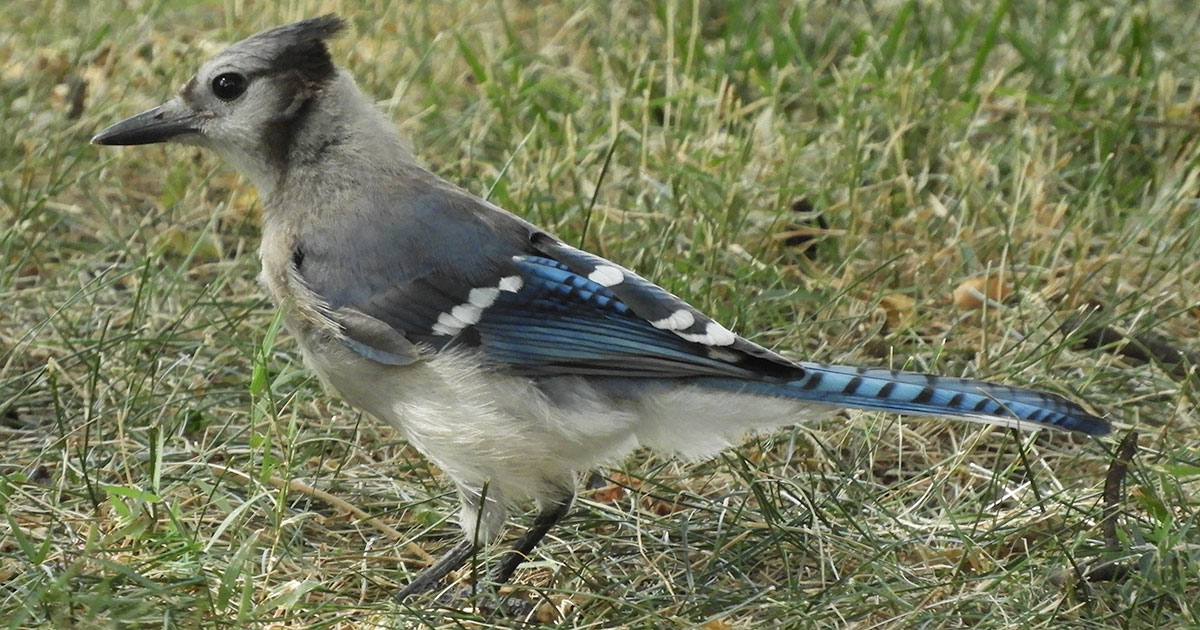
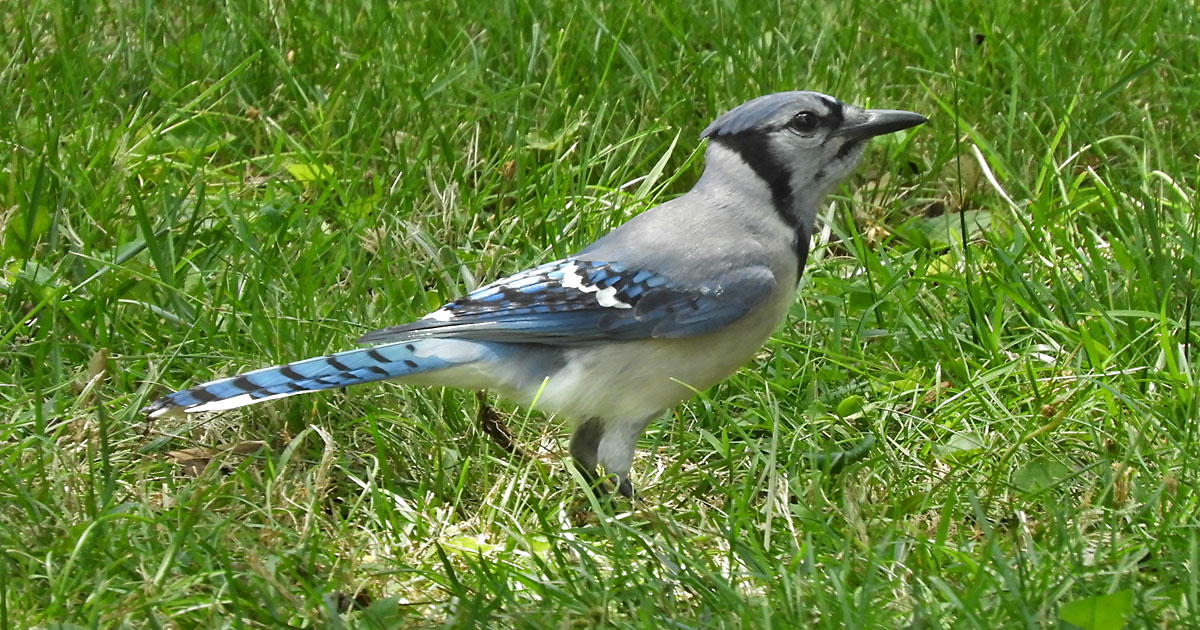
Pounds on hard nuts or seeds with bill to break them open.
They also spend quite a bit of time foraging on the ground.
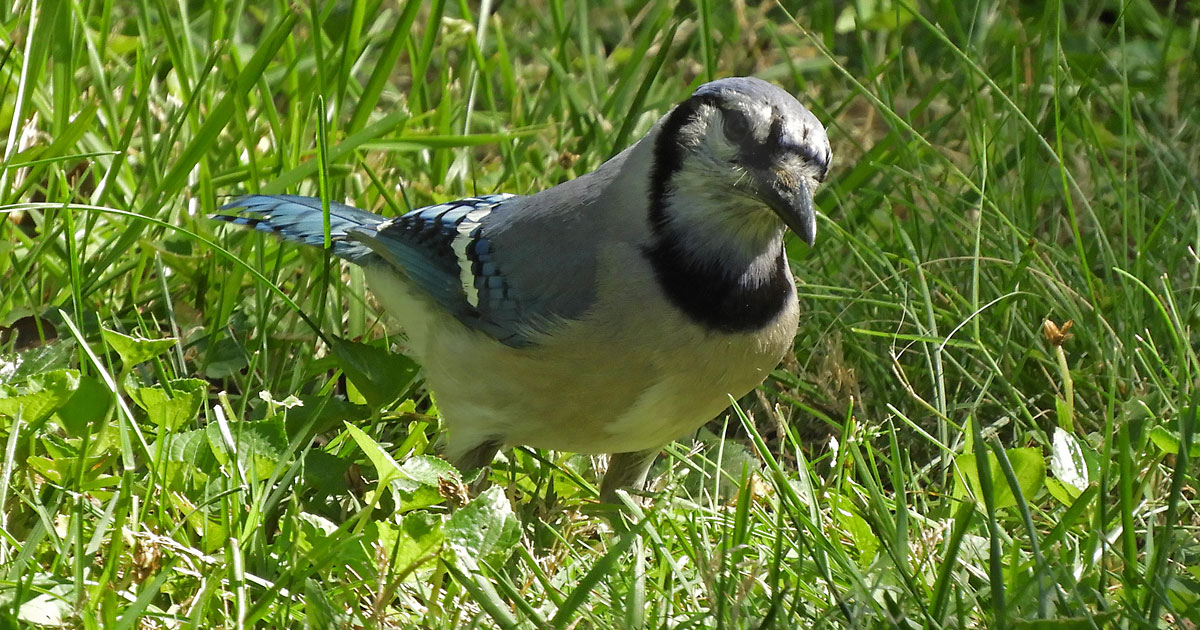
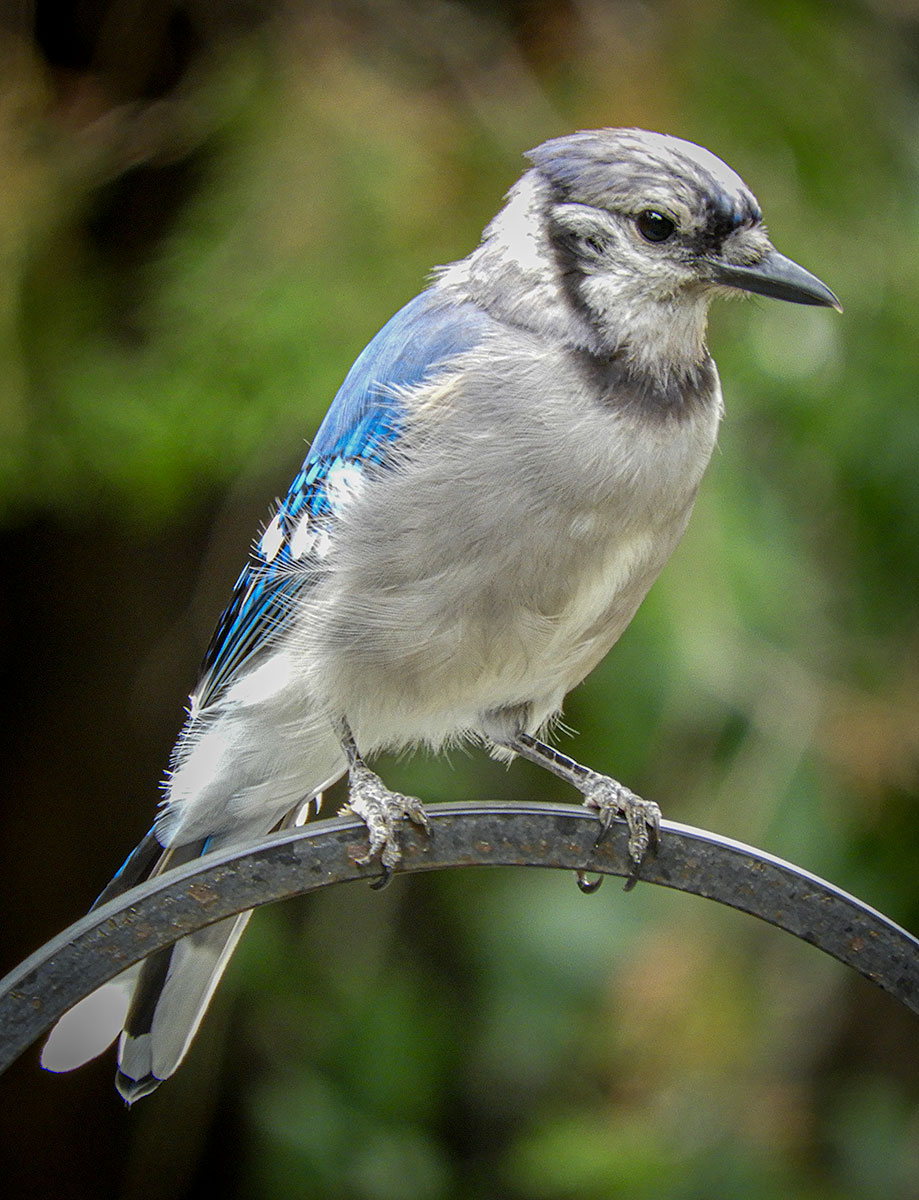
Blue Jays lower their crests when they are feeding peacefully with family and flock members or tending to nestlings.

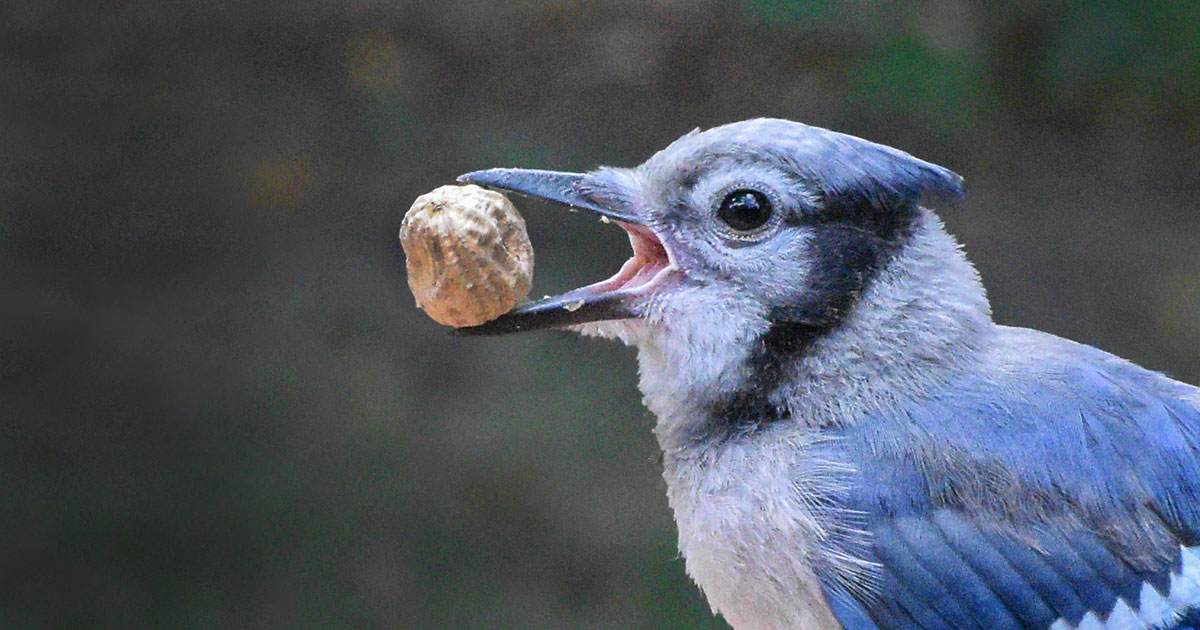
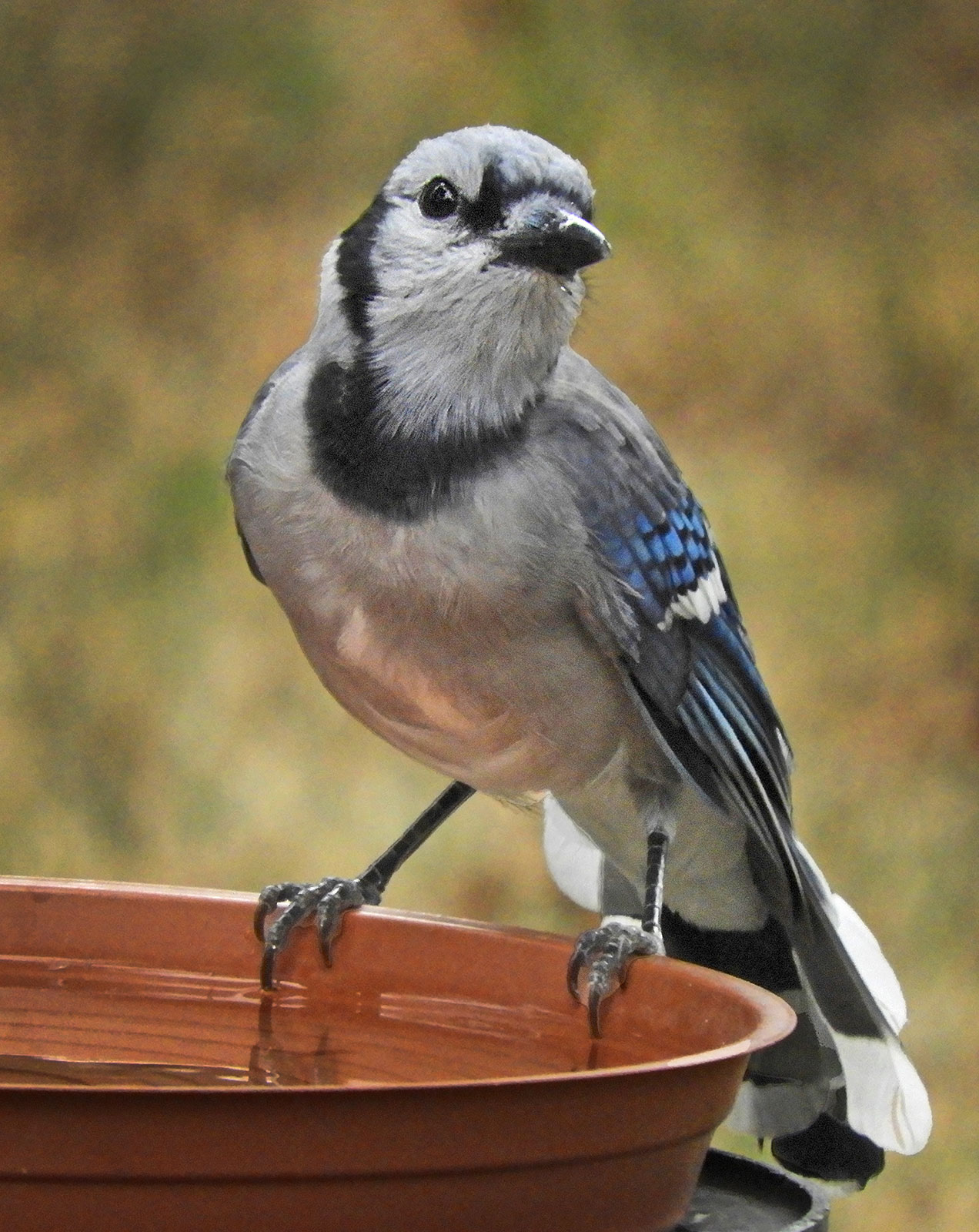
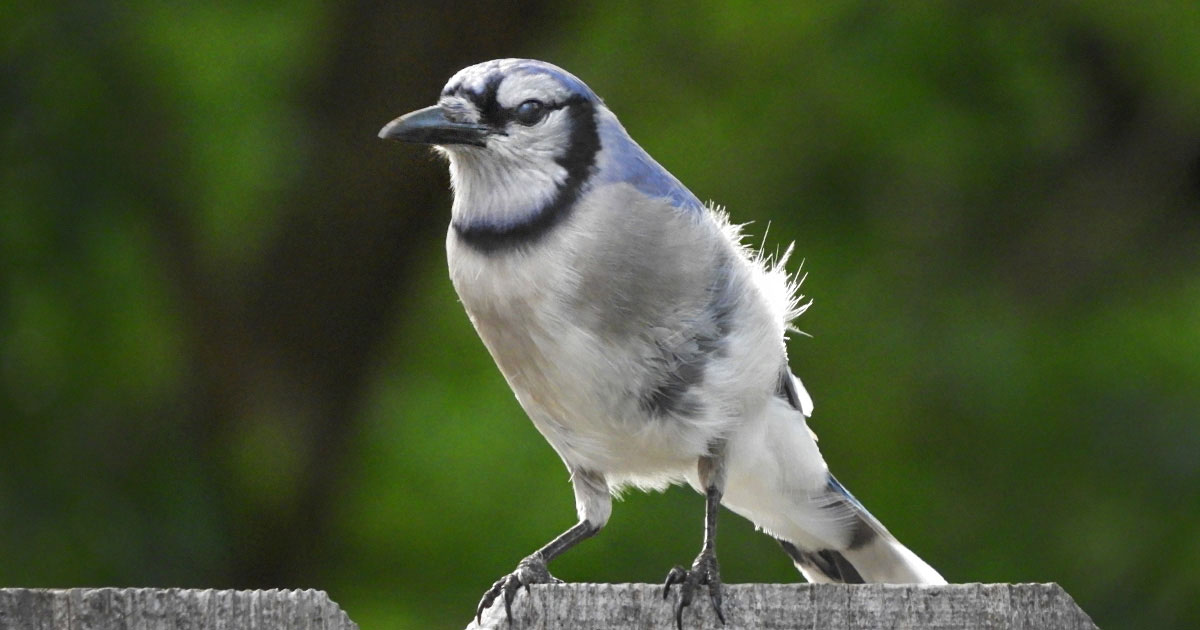
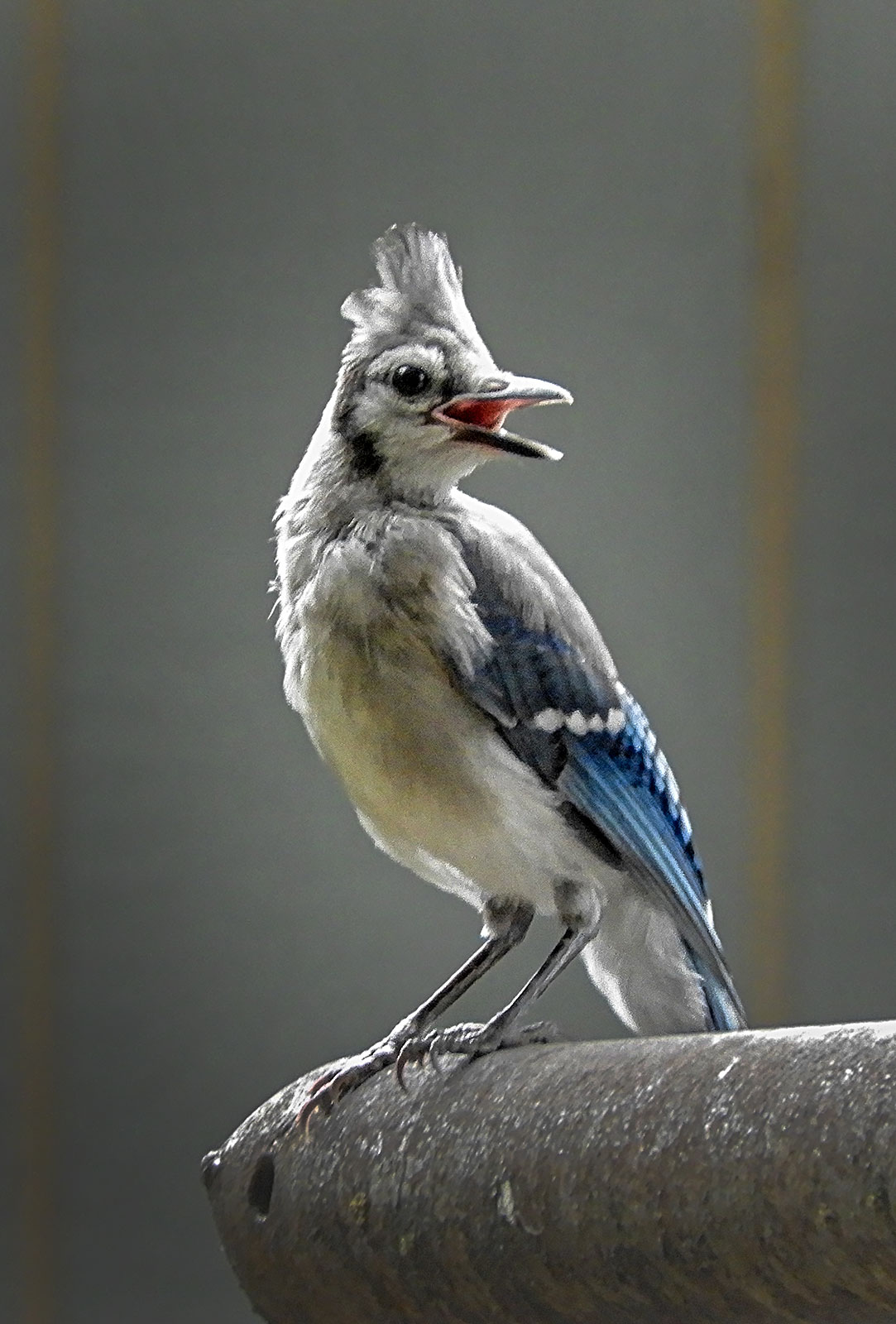
A Blue Jay with its nape raised is one of those small but striking moments in nature that tells a bigger story. That lifted crest sharpens its silhouette, turning an already vivid bird into a little sentinel perched among the branches. The raised nape signals heightened awareness—curiosity, caution, or confidence—and becomes a flag of emotion that reveals what the jay is thinking long before it makes a sound. In that instant, you’re not just seeing a bird; you’re witnessing instinct at work, a flash of wild intelligence wrapped in electric-blue feathers.
This expressive posture is part of what makes Blue Jays so fascinating. They’re clever, social, and bold—mimicking hawks, warning other birds of danger, and stashing acorns for later. When that nape lifts, it’s a glimpse into their personality, a reminder that even the smallest creatures communicate with nuance and purpose. If you ever catch a jay with its crest raised, pause and take in the moment. The sunlight on those feathers, the alert tilt of its head, the quiet tension in its stance—it’s nature speaking through a single raised plume.
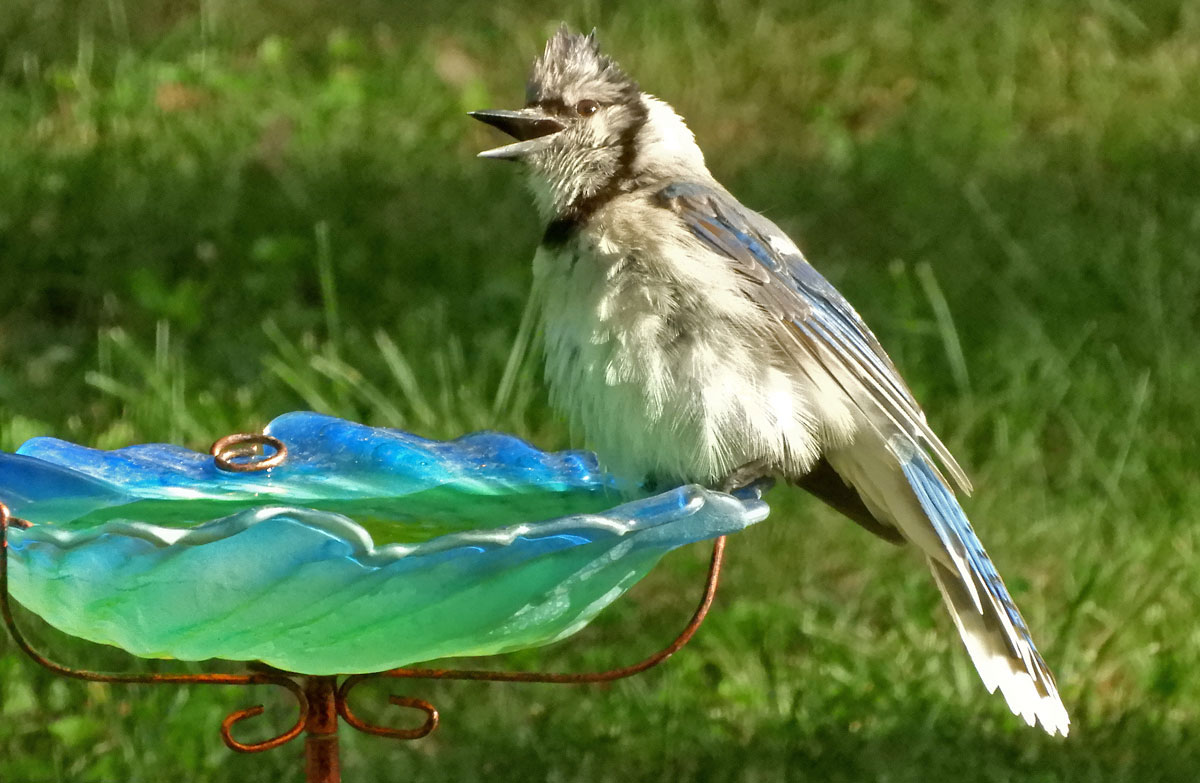
Catching sight of a Blue Jay when visiting Sebring Florida reminded me of home, especially since some folks think of them as a Kansas regular. But these bold, blue‑feathered characters show up in Florida too, flashing their vibrant plumage and sounding off with that unmistakable call. Seeing one perched in a Sebring oak reminds you that some birds aren’t tied to one place — they bring their color and personality wherever they go.
I suspect to see these Blue Jays year round. Some will migrate south in fall; sometimes in big southward flights with thousands on the move. Although, they do not go south of the United States.

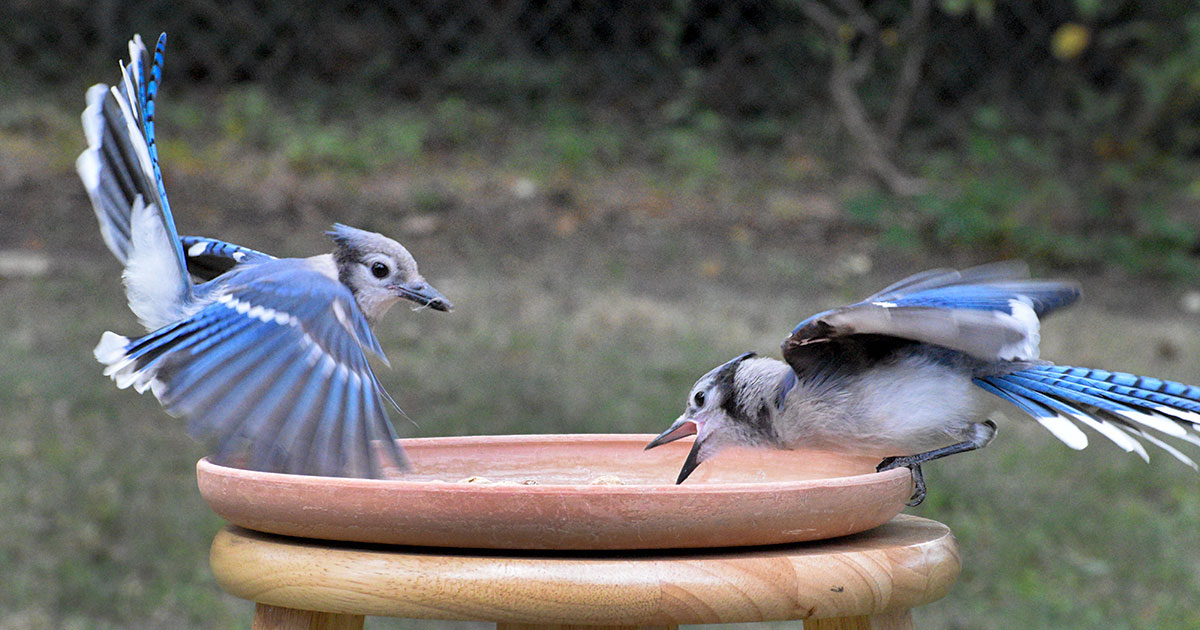
Blue Jays can be somewhat aggressive at times and are perhaps the biggest competitor with the Grackles and Starlings around the feeders.


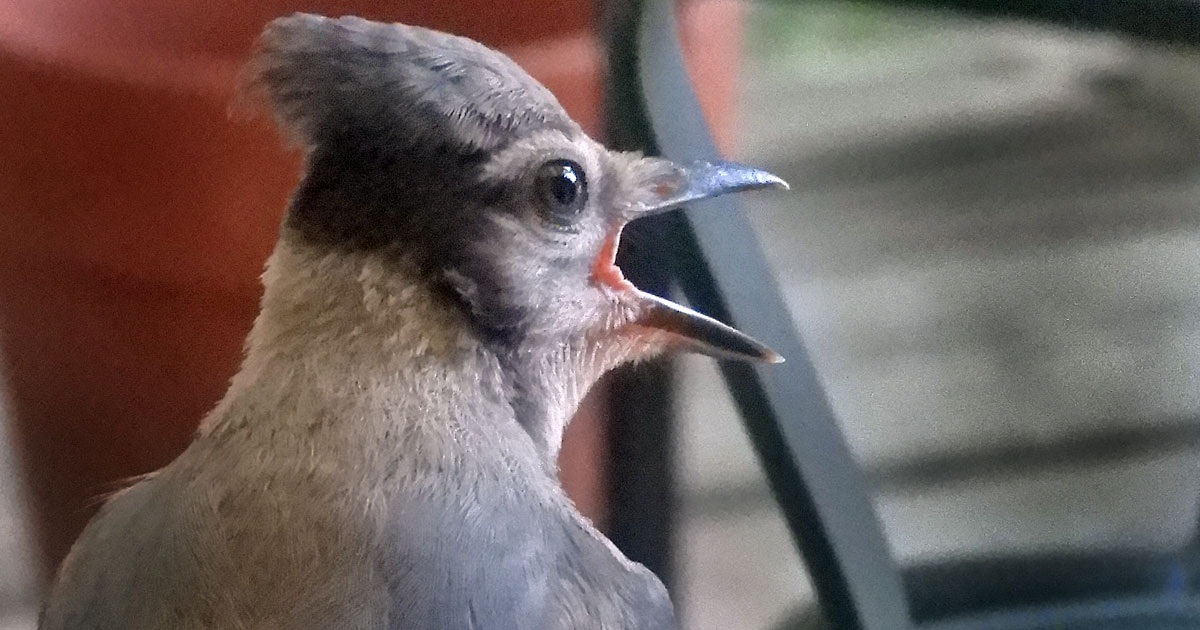
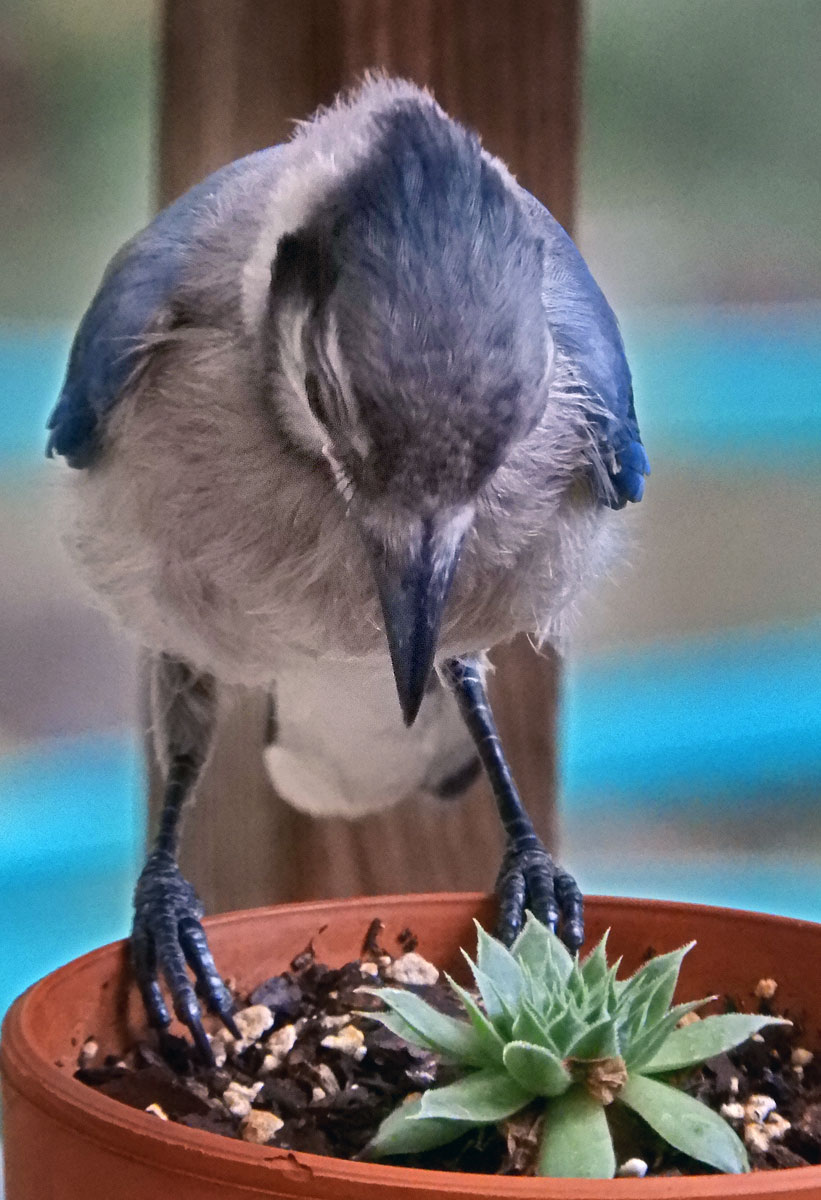
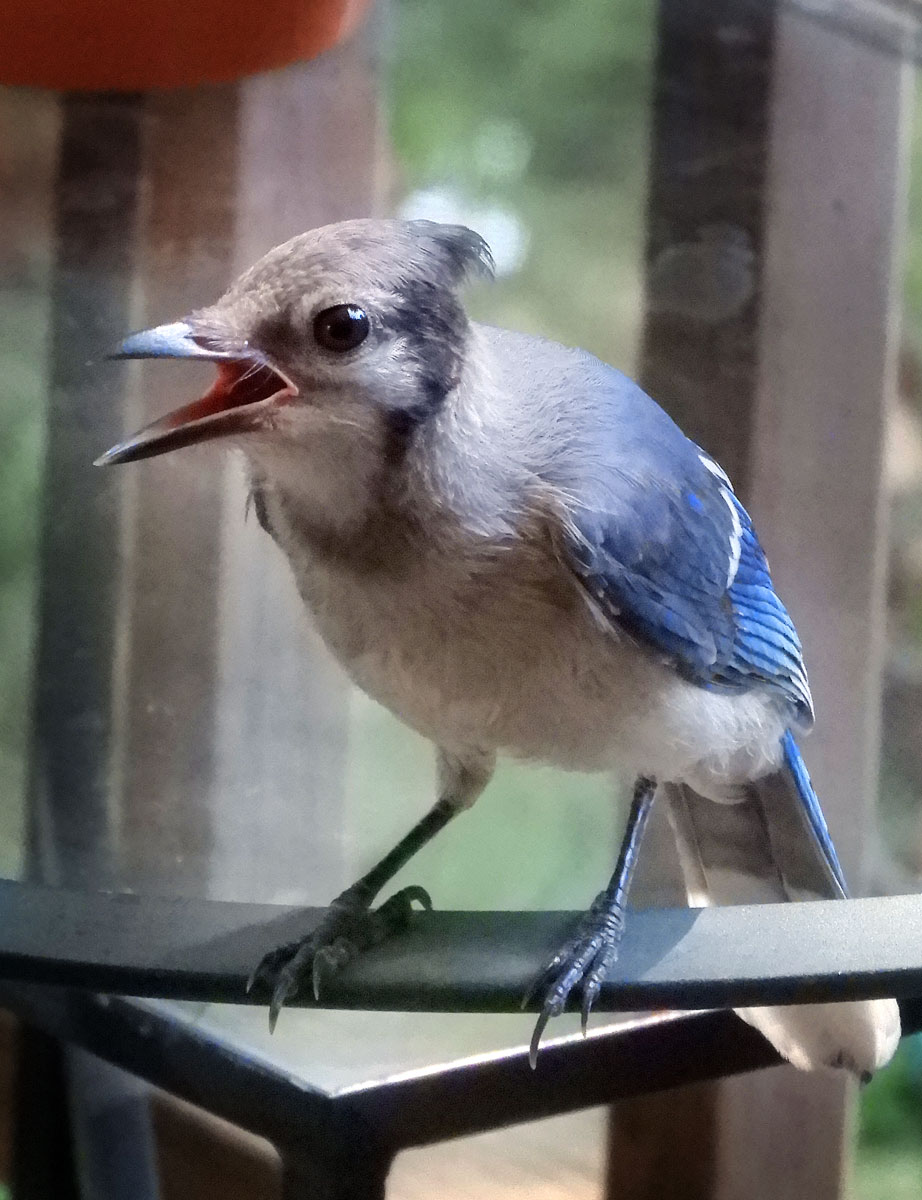
Blue Jays are known for their intelligence and complex social systems with tight family bonds.
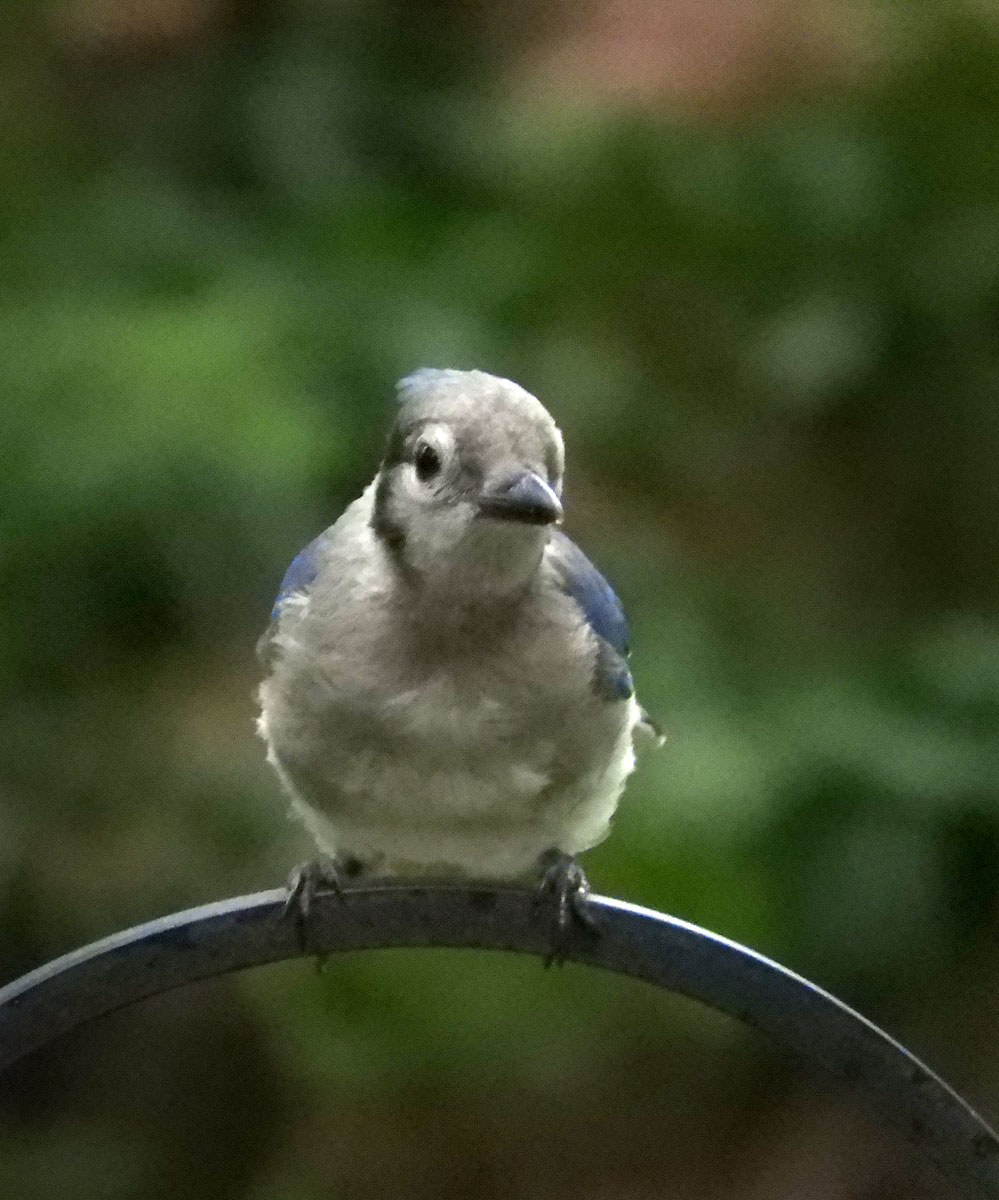
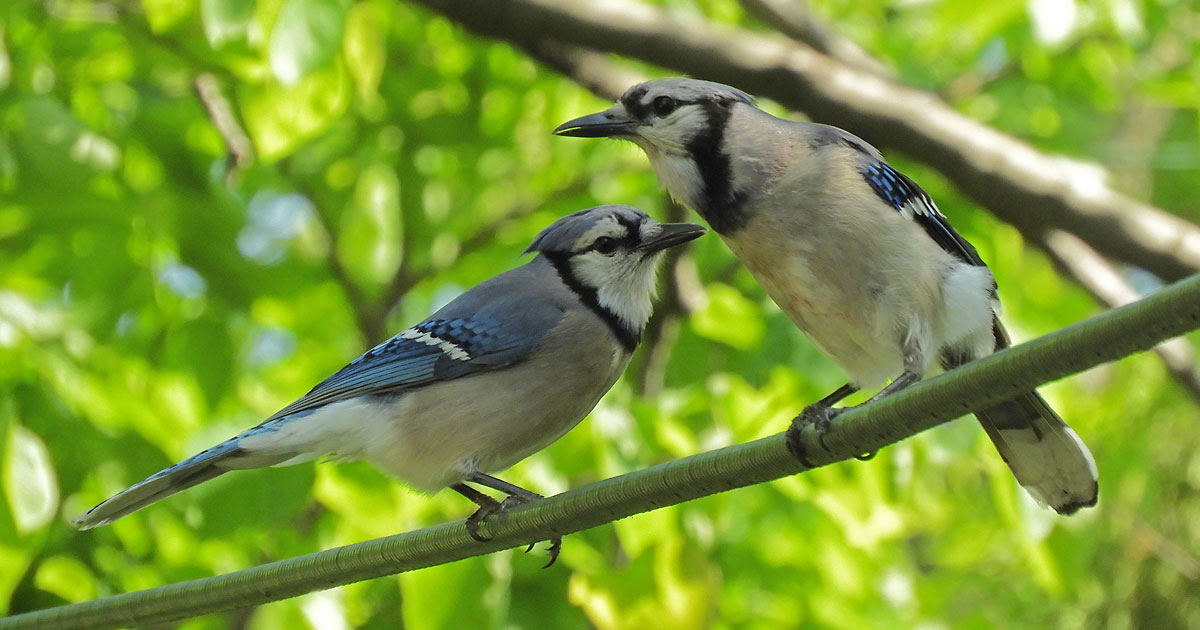
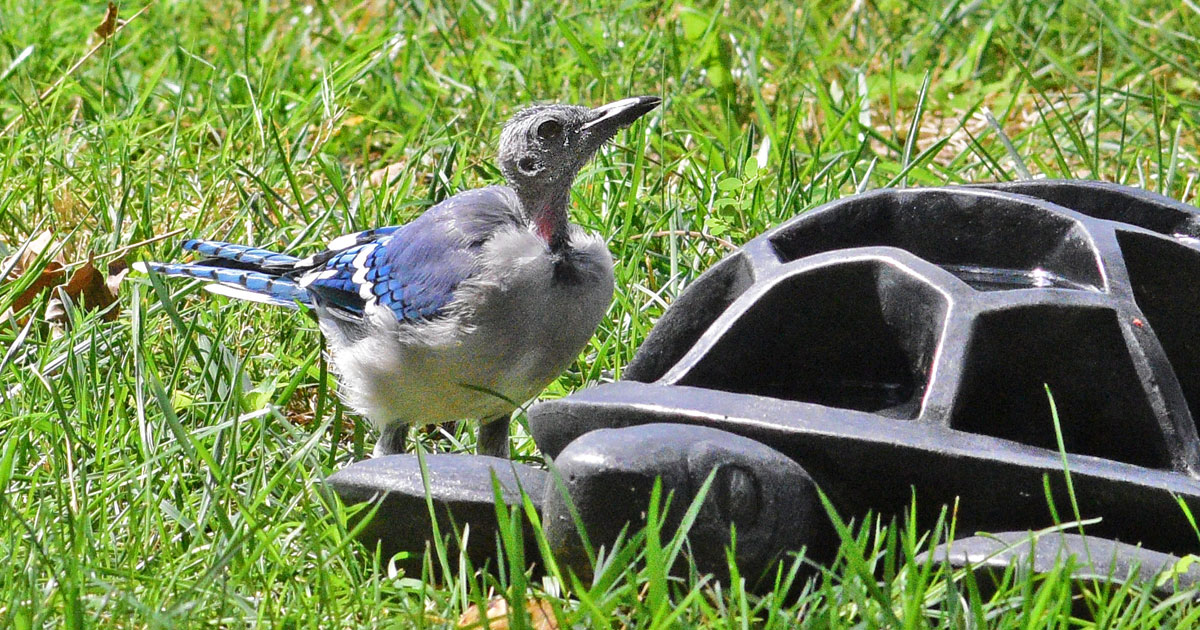
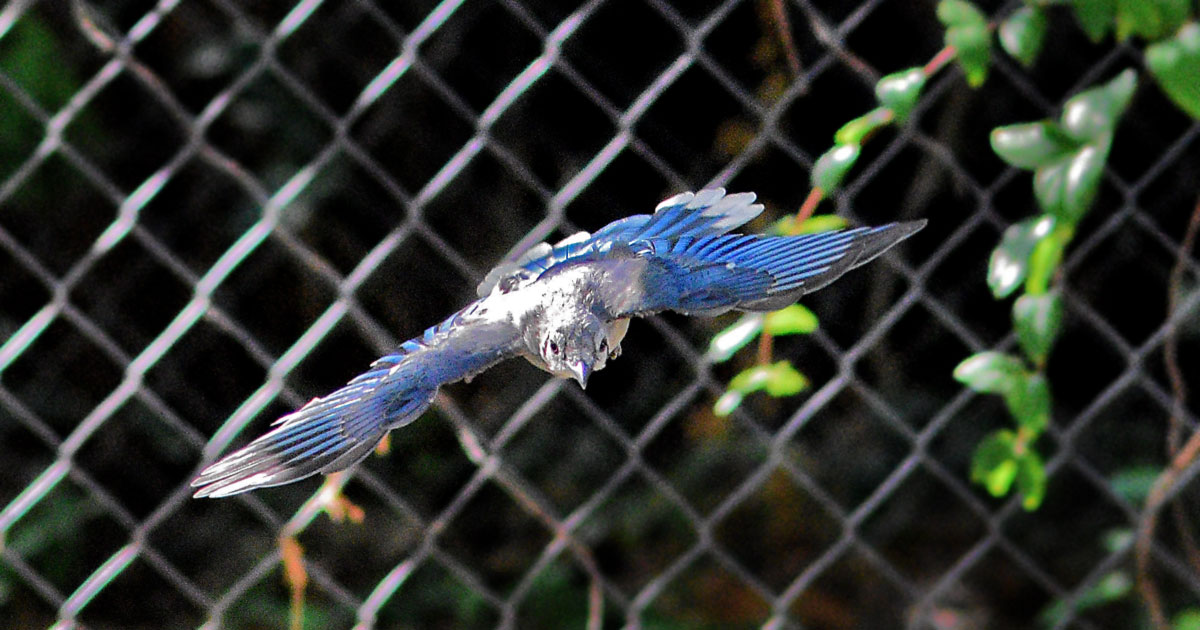
When I saw this bald Blue Jay in early September I wasn’t quite sure what I was seeing.
Apparently Blue Jays go through one complete molt a year in late summer. Blue Jays often experience a complete molt of their head and maybe even their neck feathers. Nothing is wrong with the bird and the feathers will grow back.
But for a period of time until they feathers return, they do look rather odd.