Common Grackles are blackbirds that look like they’ve been slightly stretched. They’re taller and longer tailed than a typical blackbird, with a longer, more tapered bill and the adults have glossy-iridescent bodies. Grackles walk around lawns and fields on their long legs or gather in noisy groups high in trees, typically evergreens. They eat many crops (notably corn) and nearly anything else as well, including garbage.
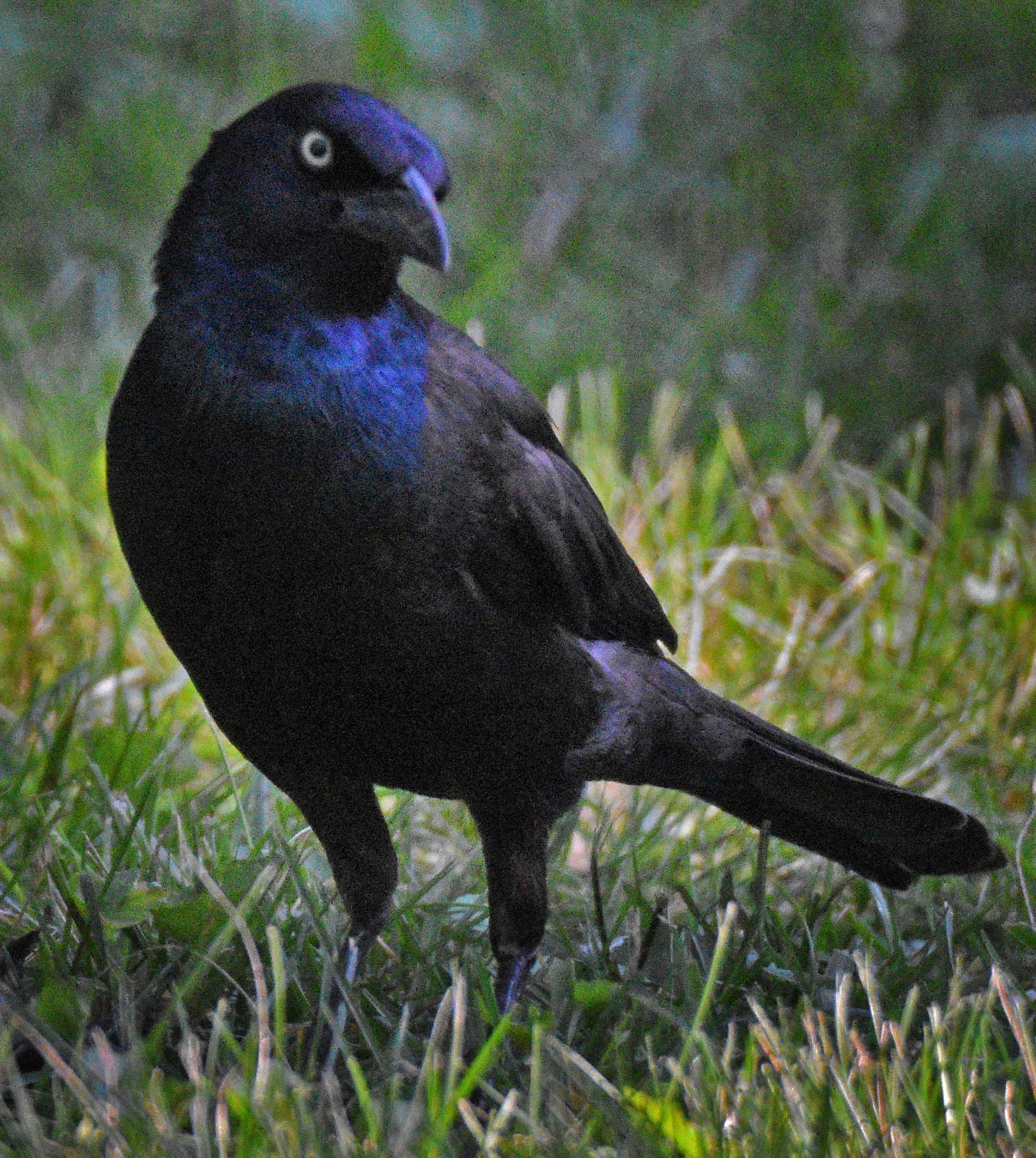
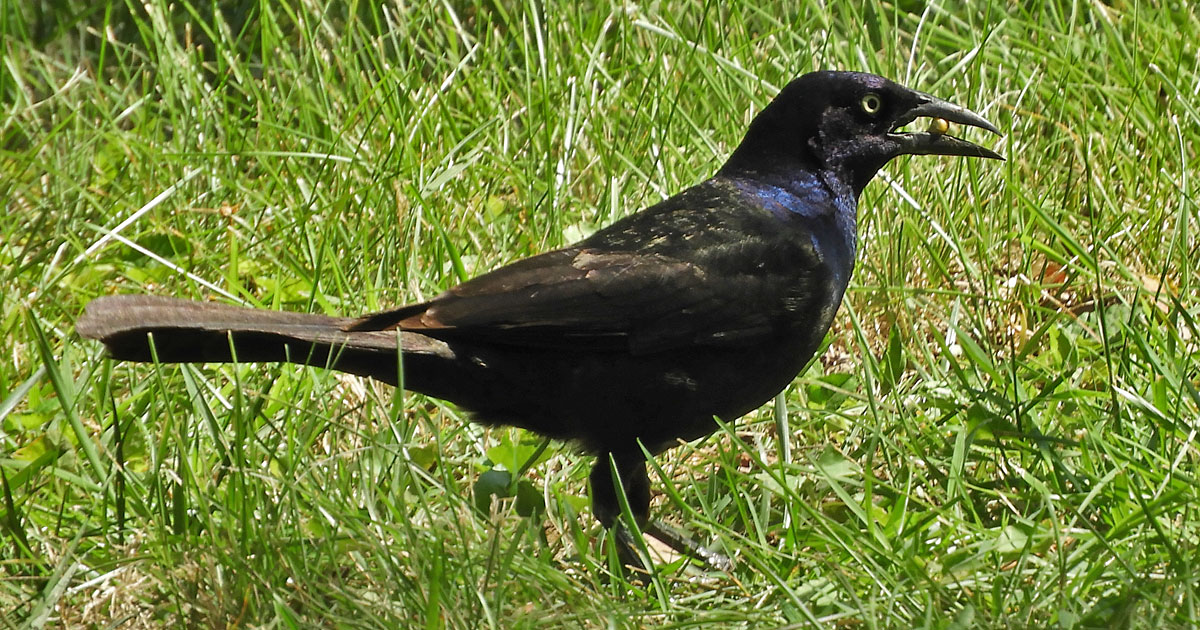

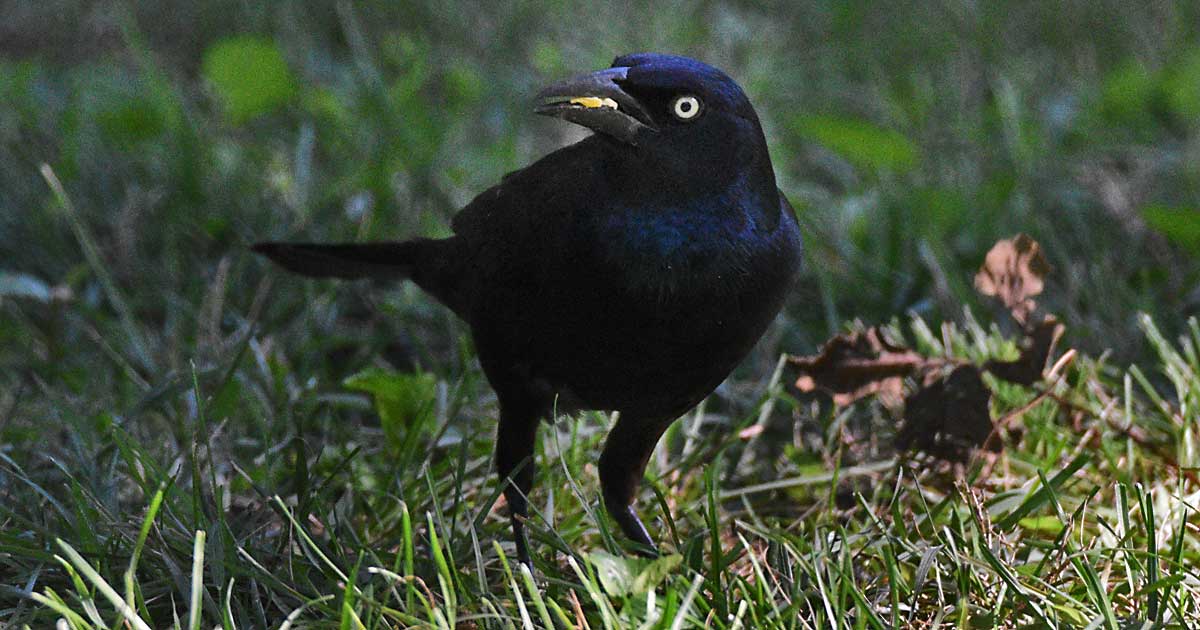

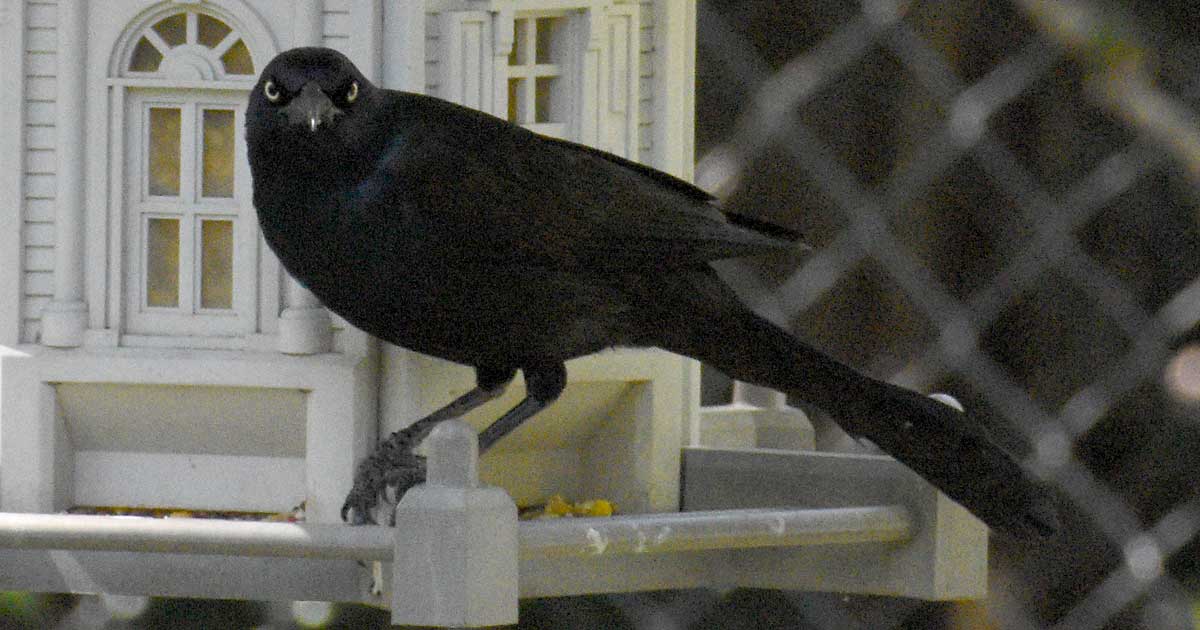
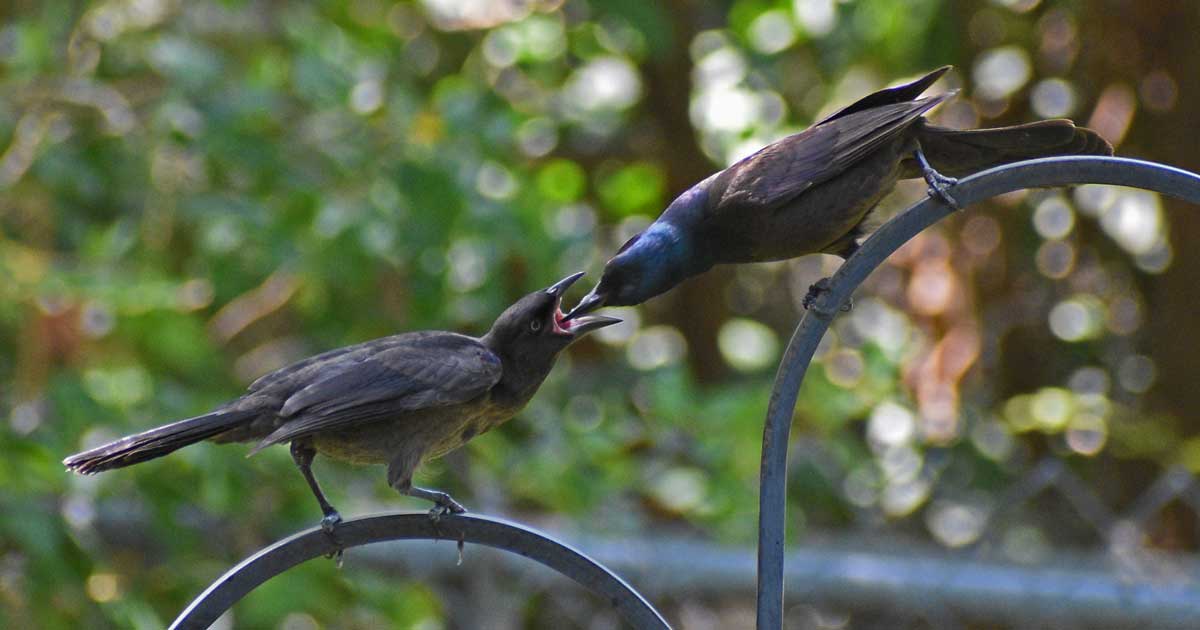
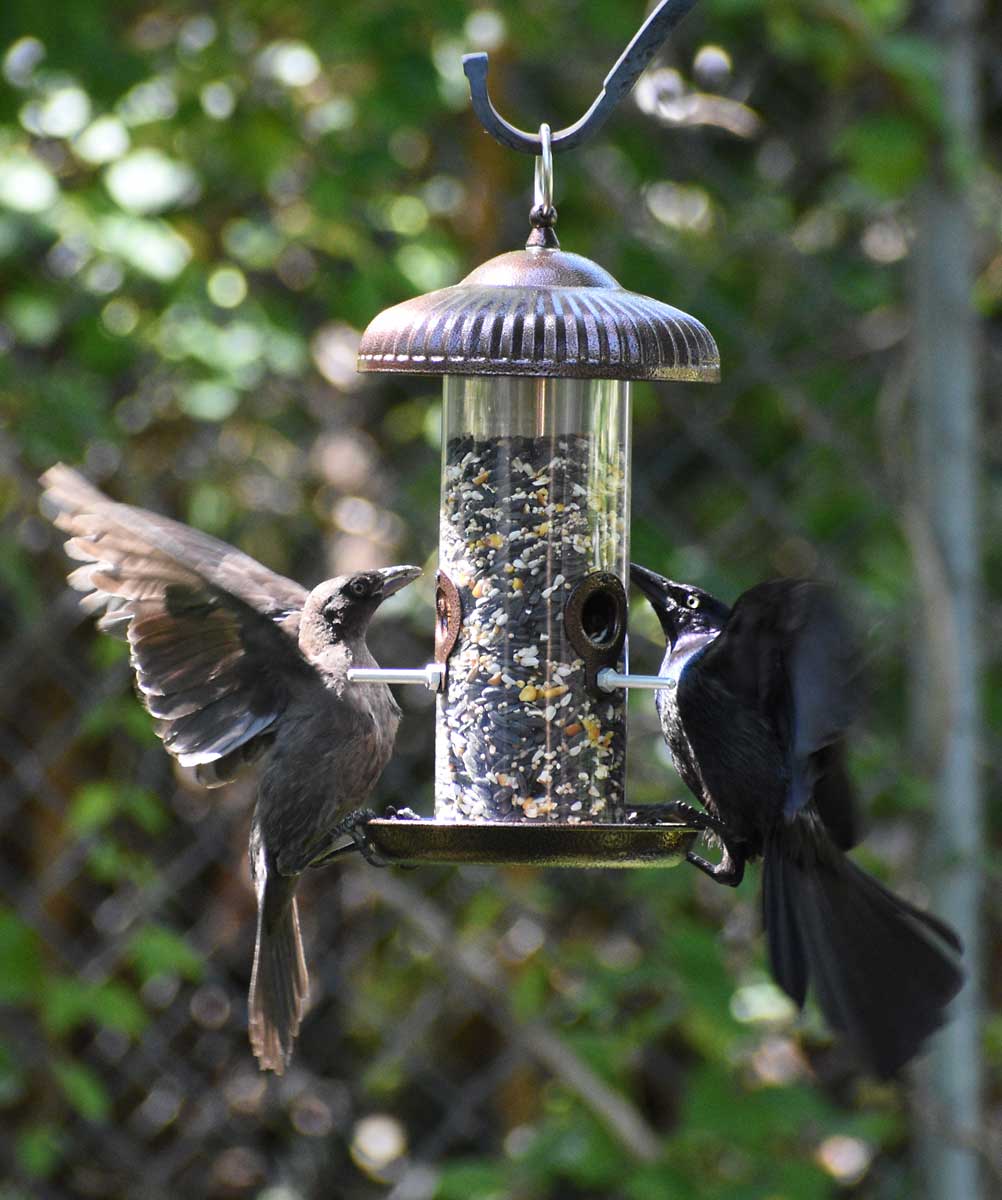
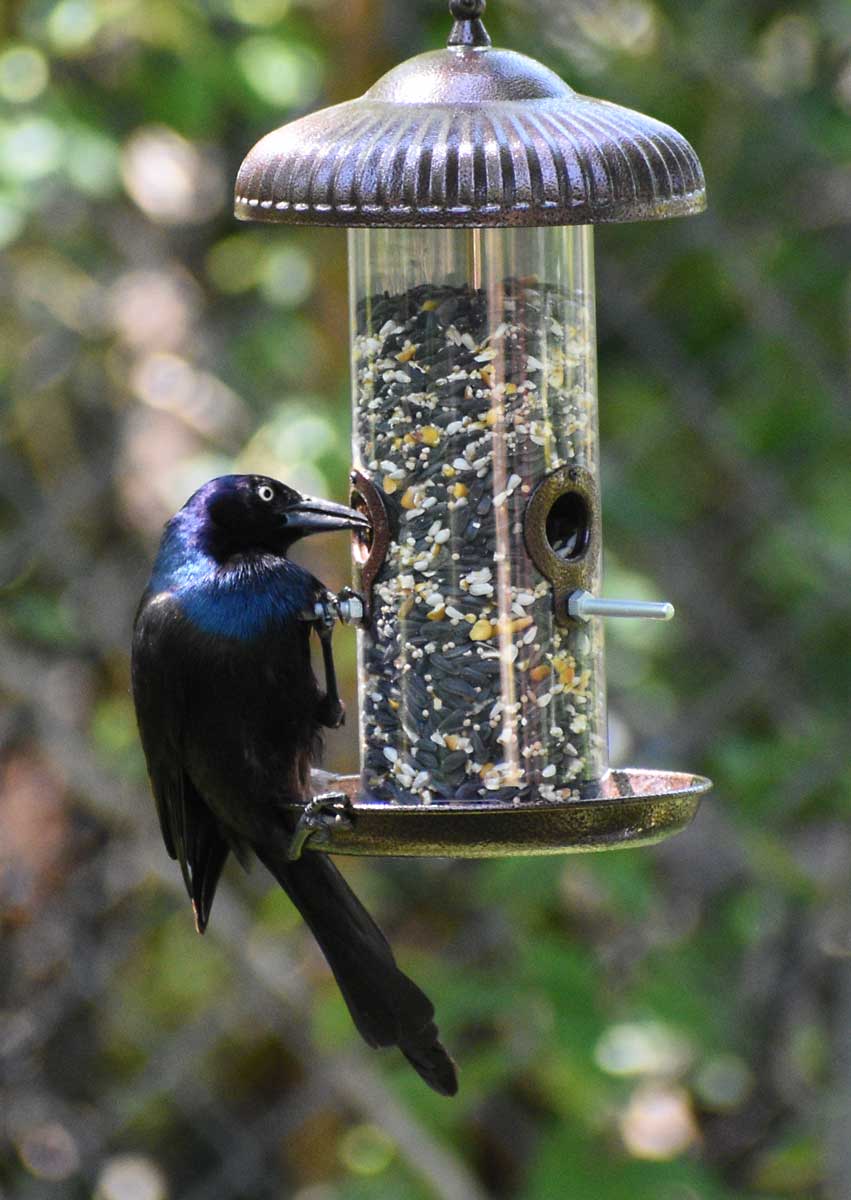
The Common Grackle may look sleek and harmless when it first lands in your yard, but don’t let that glossy purple‑black shine fool you. Once a grackle discovers your bird feeder, it can empty the whole thing in no time. These birds are bold, clever, and highly social, often arriving in small flocks that feed with an almost mechanical efficiency. Their strong bills crack seeds with ease, and their “eat now, think later” attitude means your carefully stocked feeder becomes a buffet they dominate. They’re beautiful to watch — especially when the sunlight hits their iridescent feathers — but if you’re trying to save seed for cardinals or finches, a grackle visit can turn your feeder into an empty tube before you know it.
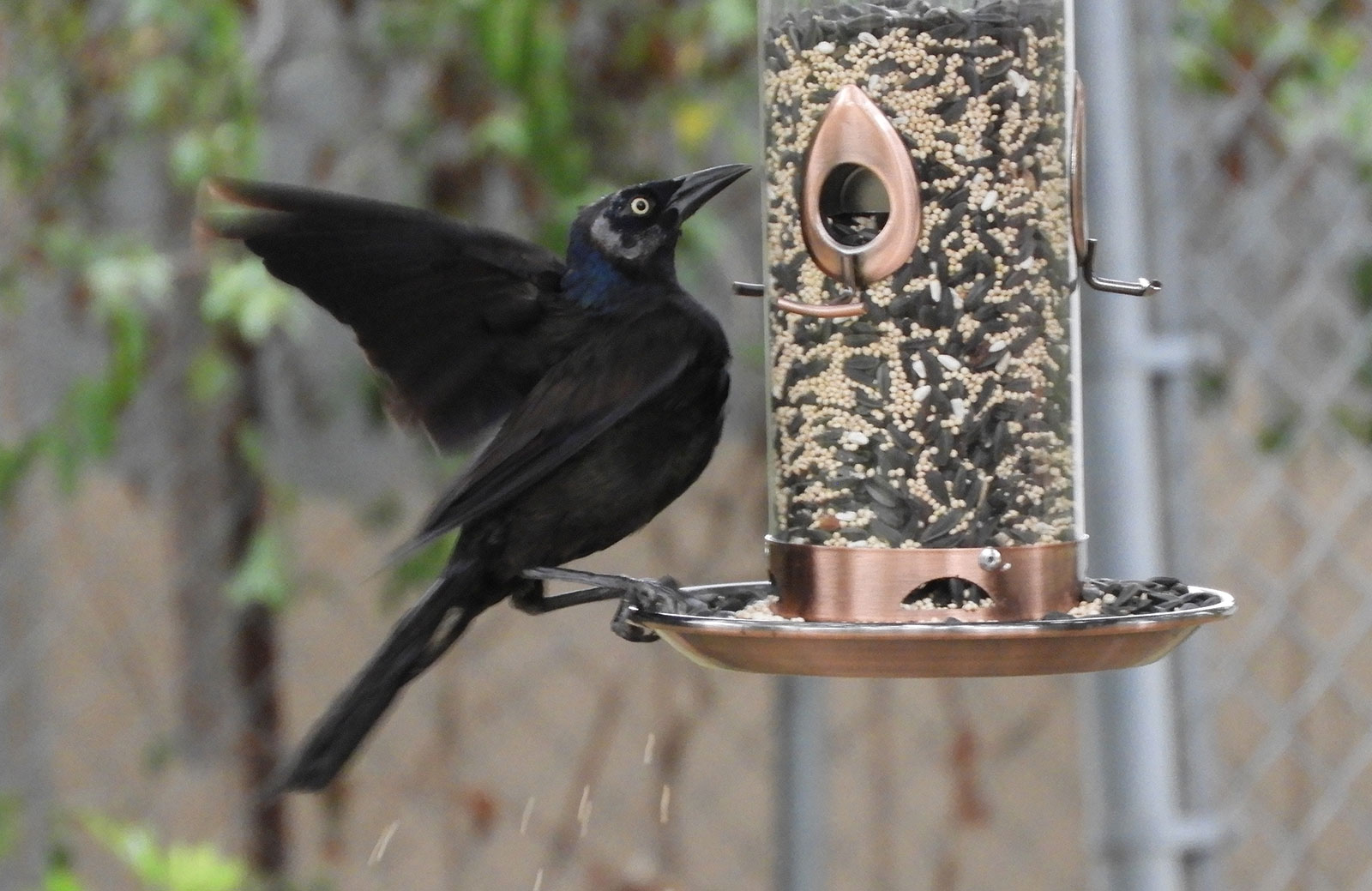
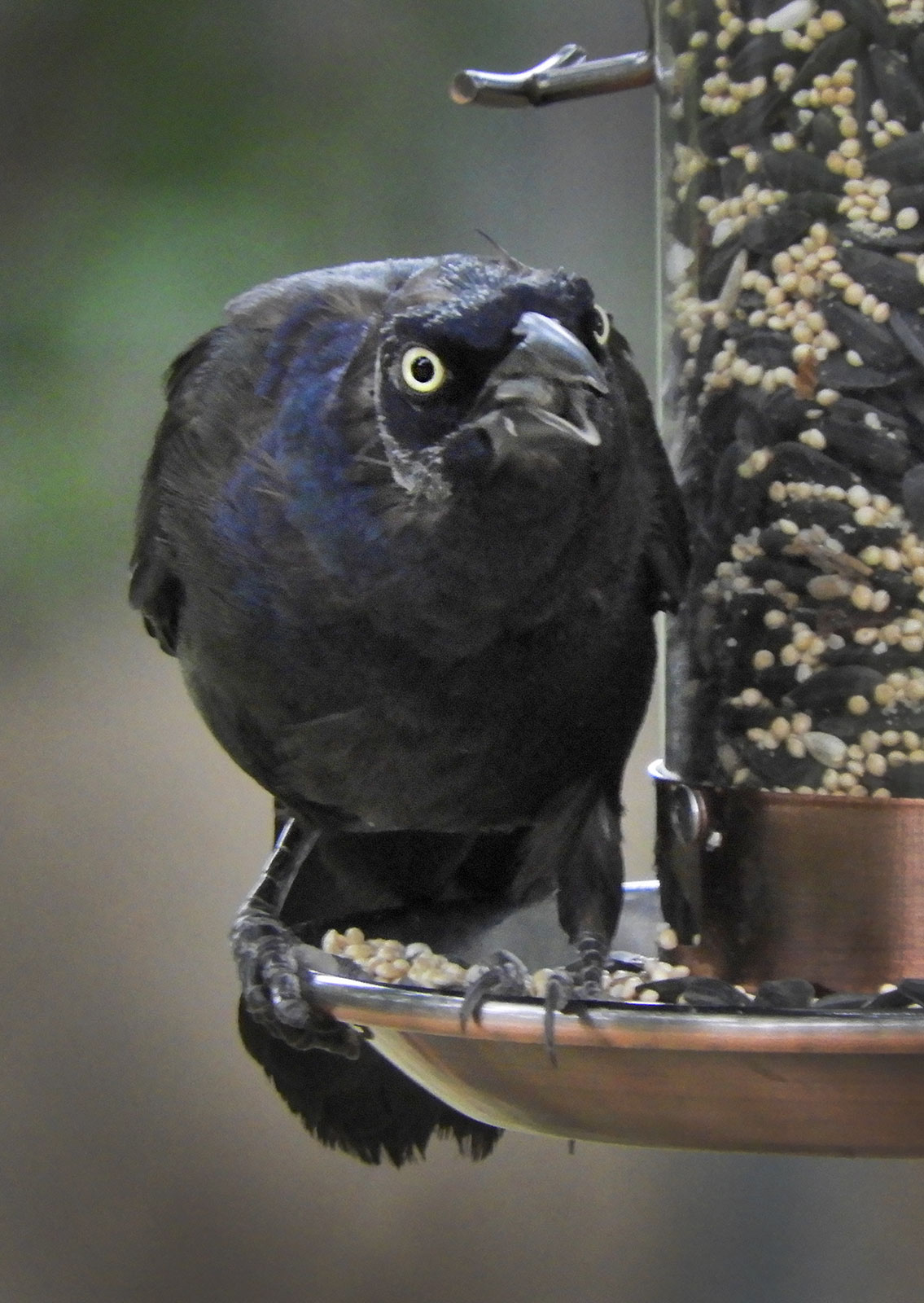
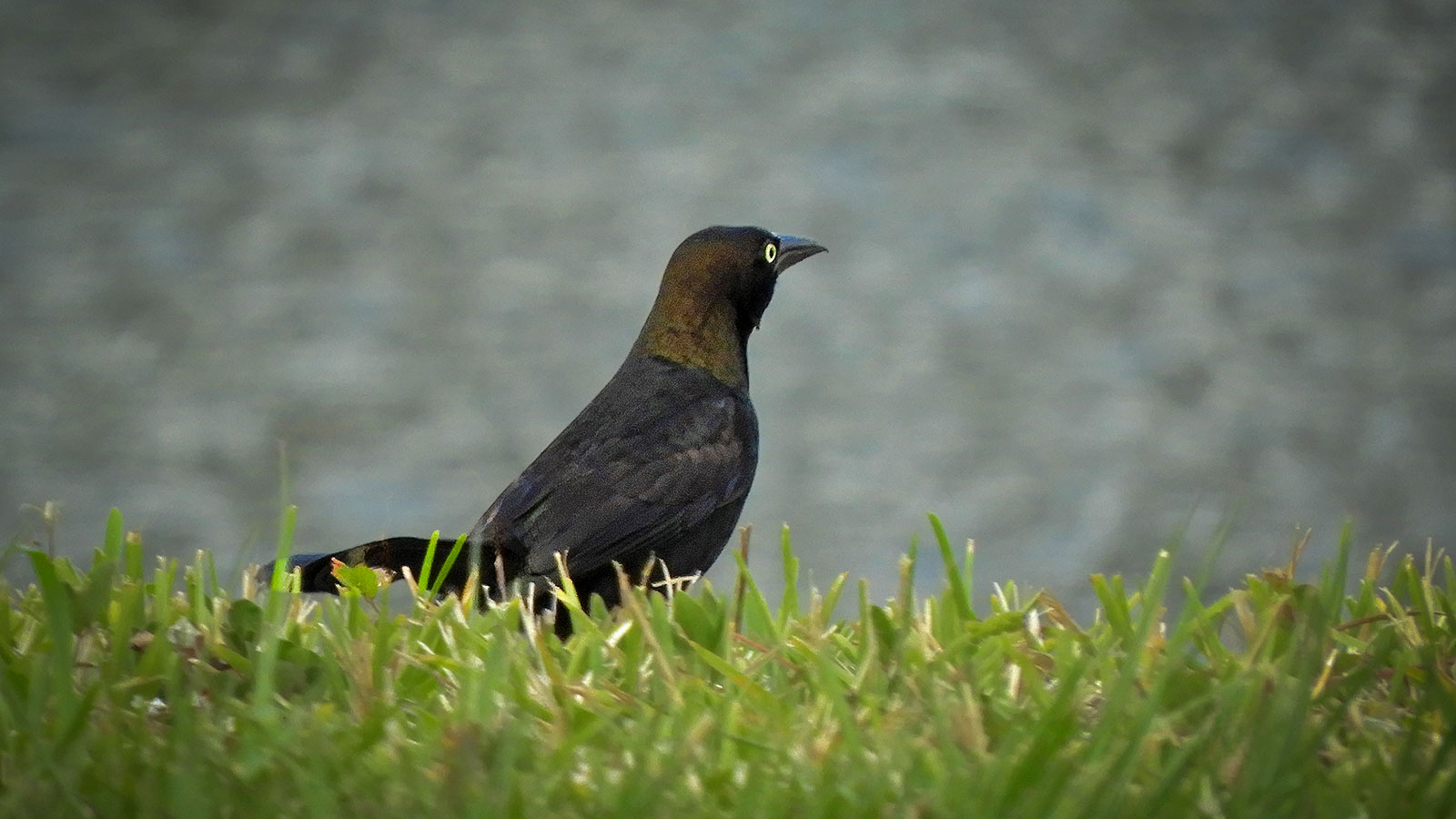
Grackles aren’t just a Kansas sight — they’re far more widespread than most people realize. This one showed up in Sebring, Florida, proving how adaptable and bold these birds really are. Whether they’re raiding feeders in the Midwest or strutting along lakesides in Central Florida, Grackles have a way of making their presence known with that glossy plumage, sharp gaze, and confident attitude. Seeing one in Sebring is a reminder that some birds don’t just migrate… they thrive wherever they go.

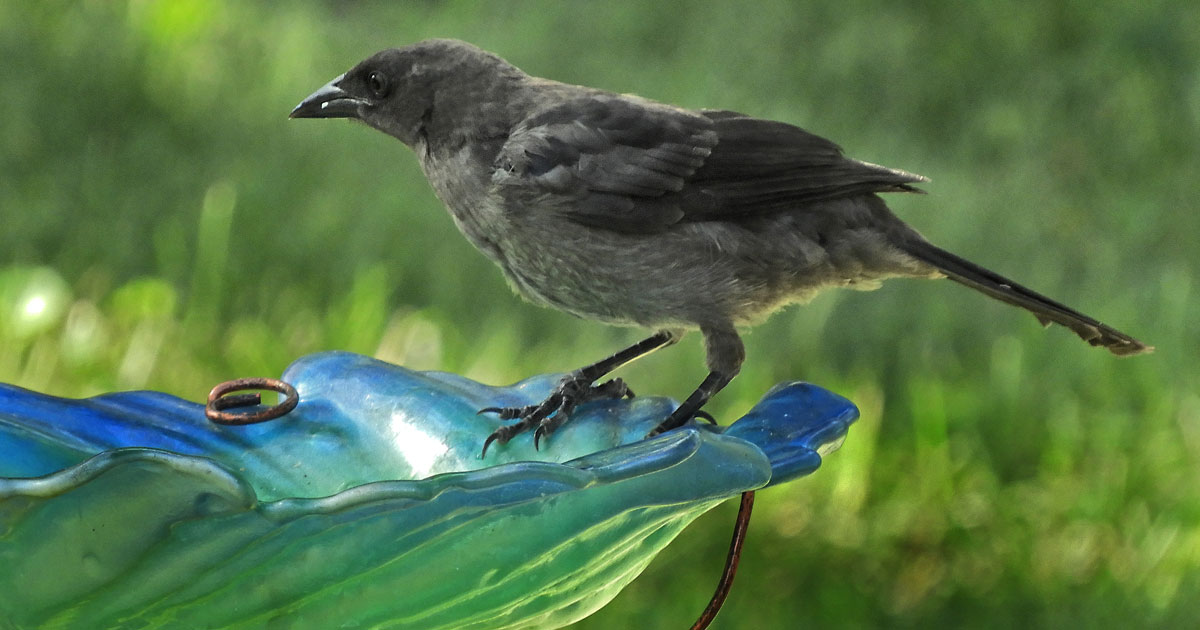
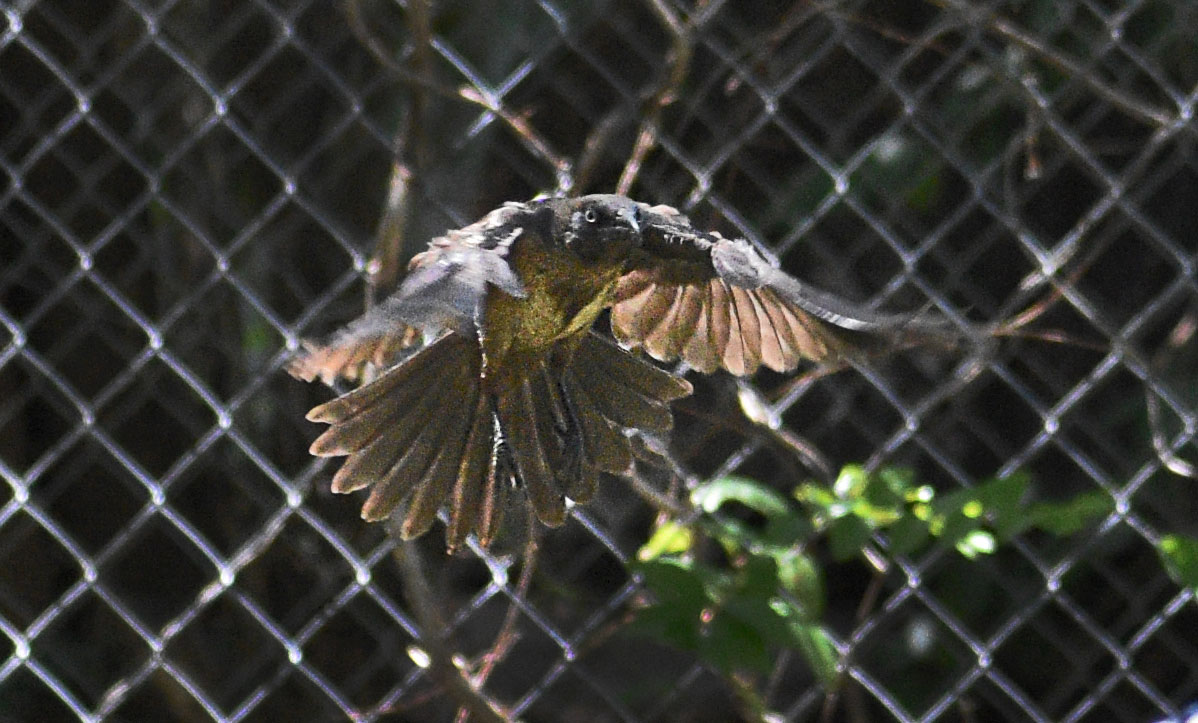
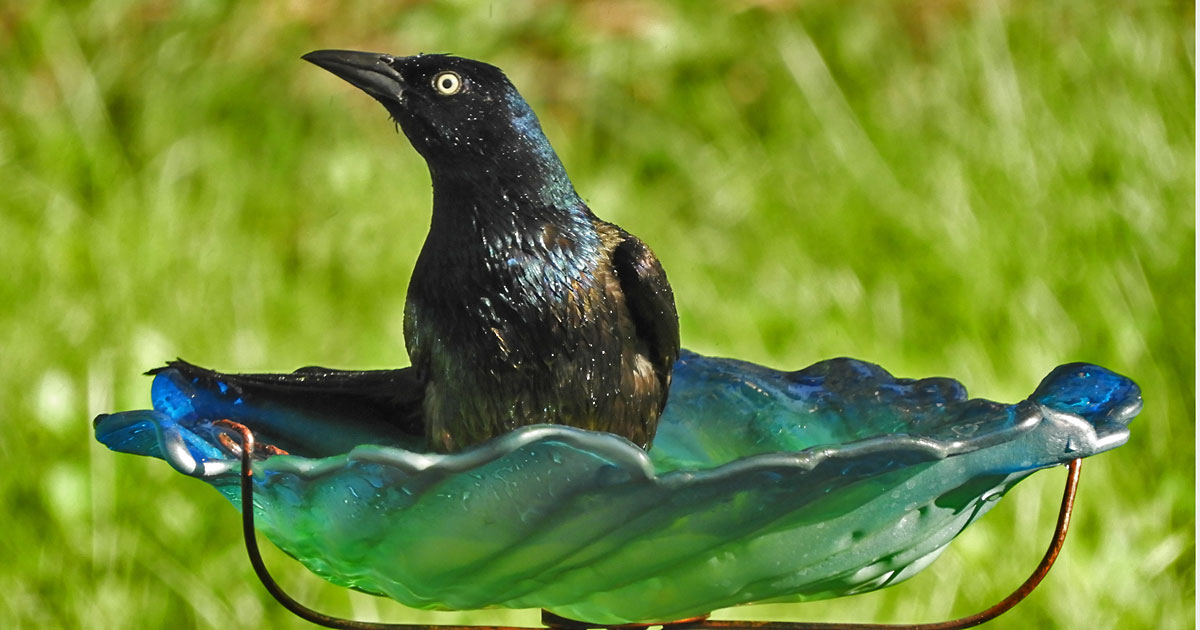
This bird is thought to be a female Great-tailed Grackle, a species known for its slender build, long legs, and flat-headed profile. It is currently molting, which explains the ragged appearance of its feathers. The birds brown color with iridescent blues on its wings and body is characteristic of female grackles.
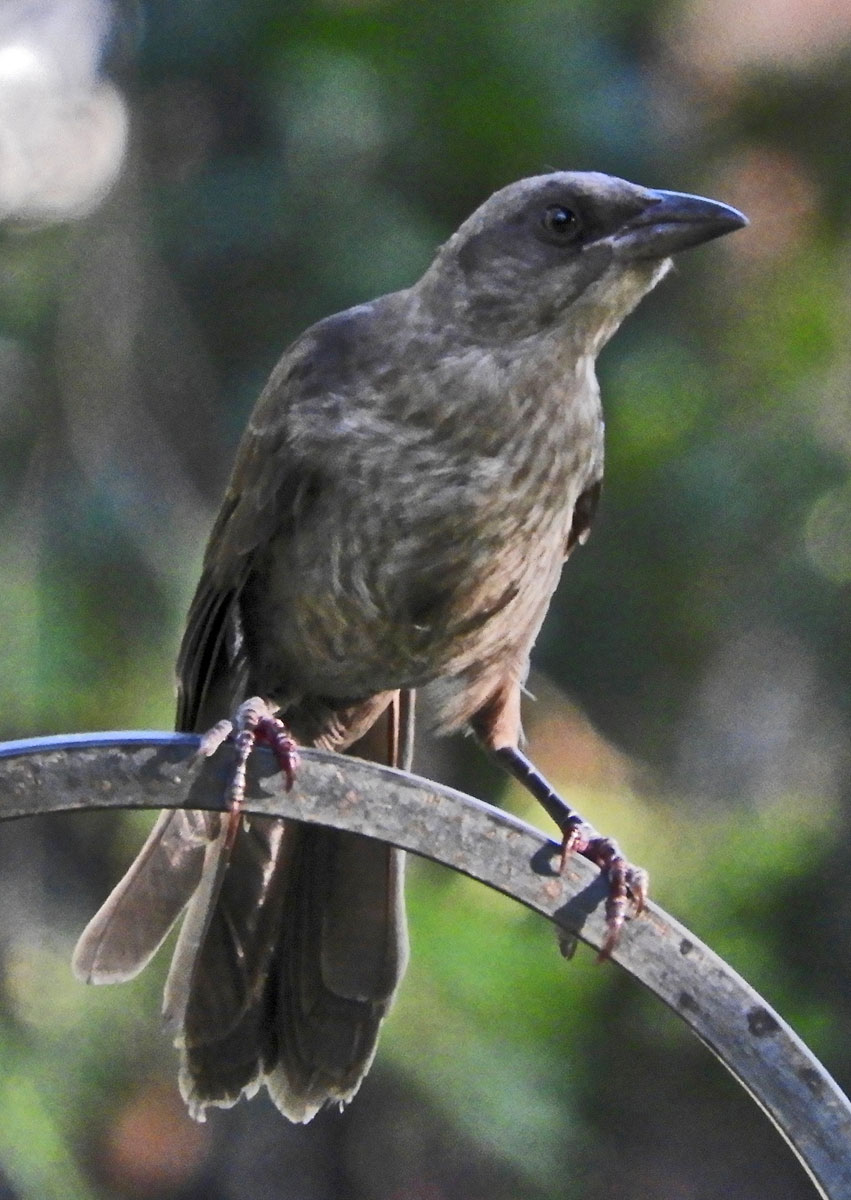
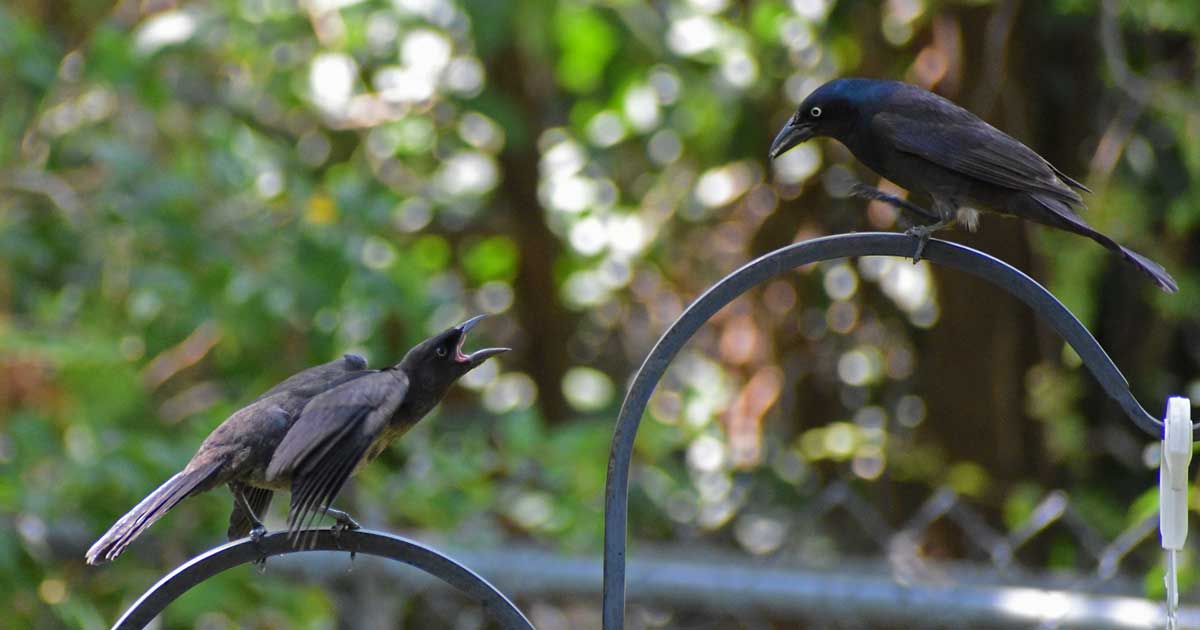
Sometimes birdwatching turns into a bit of a mystery, and this one had me second‑guessing myself. A few folks suggested it might be an immature Grackle, which can look surprisingly different from the glossy adults. Then Google Images chimed in and confidently labeled it a Brown‑headed Cowbird, adding another twist to the puzzle. The truth is, young birds and similar species can overlap in color, size, and posture, making identification tricky even for seasoned birders. That’s part of the fun, though — every sighting becomes a little detective story, and every guess pulls you deeper into the wild world right outside your door.